
- HOME
- ABOUT US
- VALUE SERVICE
- NEWS
-
INVESTOR RELATIONS
- Periodical announcement
- Provisional notice
- Investor protection publicity
- Investor contact
- CONTACT US

Contribute significantly to the high-quality development of China's energy and chemical industry and the global carbon neutrality goal
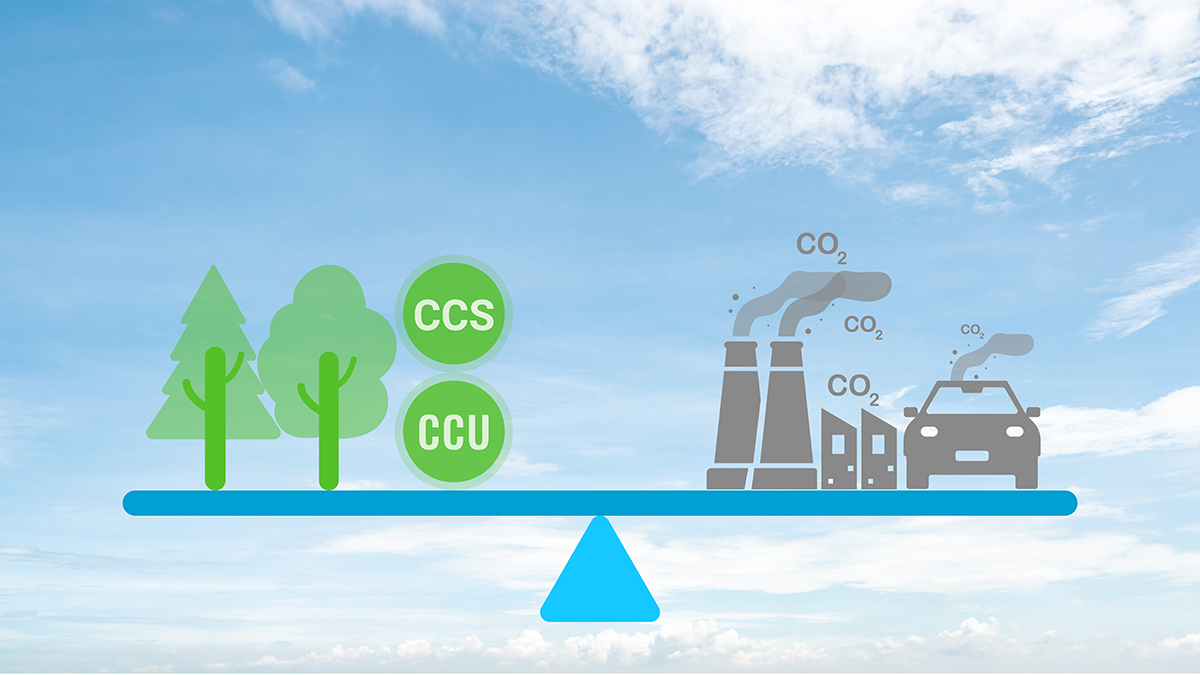
SupeZET has long focused on the fields of renewable resources and hydrocarbon circular economy, as well as the transformation path of low-carbon value. It explores efficient utilization models for waste resources. With the vision of innovating circular technologies and improving the low-carbon circular development system, it anchors green and circular development as the core orientation, empowering the long-term development of ecological low-carbon economy.
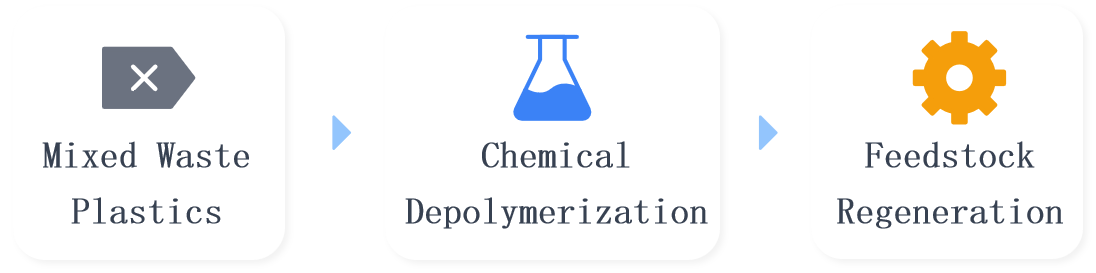
Supported by the national top-level policies, the State Council’s Action Plan for the Comprehensive Management of Solid Waste and the Action Plan for the Promotion and Application of Recycled Materials issued by seven ministries and commissions have successively provided all-dimensional policy guarantees for waste plastic resource utilization and the utilization of industrial by-product hydrocarbons, and clarified the long-term quantitative growth target for recycled plastics, driving the industry onto a fast track of standardized and large-scale development. At present, the market demand for industrial tail gas resource utilization and waste plastic chemical recycling is experiencing an explosive growth. Traditional recycling models can hardly meet the rigid demand for green transformation, and policy-driven development and technological iteration have jointly opened up a trillion-level market space.
SupeZET focuses on the field of biodegradable and recyclable materials, with bio-based biodegradable plastic PBAT as its core product. Leveraging the dividends of national policies and the improvement of industry standards, it is building a highland for the green materials industry. In recent years, the state has continuously increased support for green consumption and low-carbon transformation. Nine ministries and commissions including the Ministry of Commerce have issued a circular on the green consumption promotion campaign, clarifying the application scenarios and mandatory substitution requirements for biodegradable materials, and aligning with the EU Carbon Border Adjustment Mechanism (CBAM) simultaneously. The national standard for PBAT has been officially implemented, providing a unified technical specification for product production, testing and application, marking the industry’s entry into a new stage of standardized and large-scale development.

SupeZET, relying on its technological and industrial chain advantages, has successfully signed the world’s largest single bio-based biodegradable polyester project — the 1.2 Million Tons per Annum PBAT Bio-based Biodegradable Polyester Project. With the deepening of the plastic ban, the advancement of the Dual Carbon goals and the integration with global green trade, the demand for PBAT in packaging, agricultural mulch films, daily necessities and other fields has been continuously surging, the market space is expanding rapidly, and the industrial development prospects are broad.
SupeZET pays close attention to the industrial upgrading and development of green agricultural products. Targeting the triple benefits of cost reduction and income growth, farmland pollution reduction and cultivated land conservation, it commits to guaranteeing nutrient supply for crops and improving the quality of agricultural products. Meanwhile, it effectively improves soil quality and protects water quality, facilitating the green and low-carbon transformation of agriculture and driving China’s agriculture toward high-quality development featuring high efficiency, safety and sustainability.

Policies are constantly improving the integrated system for the production, transportation, storage, sales and trade of green chemical fertilizers, ensuring the stable production capacity of enterprises and the efficient operation of the industrial chain; the Ministry of Industry and Information Technology and the Ministry of Agriculture have listed green agricultural new materials as key development directions and strongly supported the green upgrading of agricultural chemicals. The company produces green chemical fertilizers by utilizing "carbon" from carbon capture, "hydrogen" produced by wind power electrolysis of water and "nitrogen" produced by air separation, thus building a "negative carbon" industry, which is hailed as an "organic fertilizer mine created by wind power". This technology effectively reduces production costs and makes high-end fertilizers affordable for the general market.
Sustainable Aviation Fuel (SAF) is a new type of aviation fuel designed to reduce the environmental impact of the aviation industry. By replacing traditional petroleum-based aviation fuel with cleaner, renewable feedstocks such as waste cooking oil and animal and vegetable waste oils and fats, it aims to cut carbon dioxide emissions and promote the sustainable development of the aviation industry. Seizing the strategic opportunities of the industry, SupeZET regards SAF as the core layout direction of green energy, focuses on the R&D of bio-based aviation kerosene production technology, and deeply participates in the industrialization of bio-based aviation kerosene projects. Meanwhile, it opens up the full chain of high-value utilization of biomass resources, seizes the aviation low-carbon track with technological innovation and engineering capabilities, and helps build a safe and efficient domestic industrial system for sustainable aviation fuel.
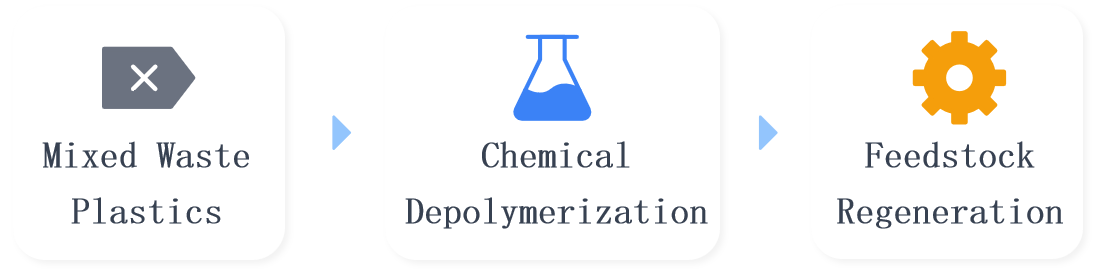
Policies supporting Sustainable Aviation Fuel (SAF) have been intensively introduced at home and abroad with increased efforts: the General Administration of Customs has added a special tariff code for SAF and granted preferential import and export tax rates, and the National Development and Reform Commission has included it in the special central budgetary investment support; the European Union has simultaneously implemented a mandatory blending policy, continuously raising the proportion of SAF used in aviation fuel. By closing the loop of waste oil resource utilization, SAF addresses stubborn environmental problems, safeguards energy security, fosters new economic growth points, and facilitates the achievement of the Dual Carbon goals.